ADDITION + INTERIOR RENOVATION | RICHMOND, VIRGINIA
Seneca Renewal
Renewing a Tudor Revival home through light-filled expansion, preserved character, and highly personal spaces.
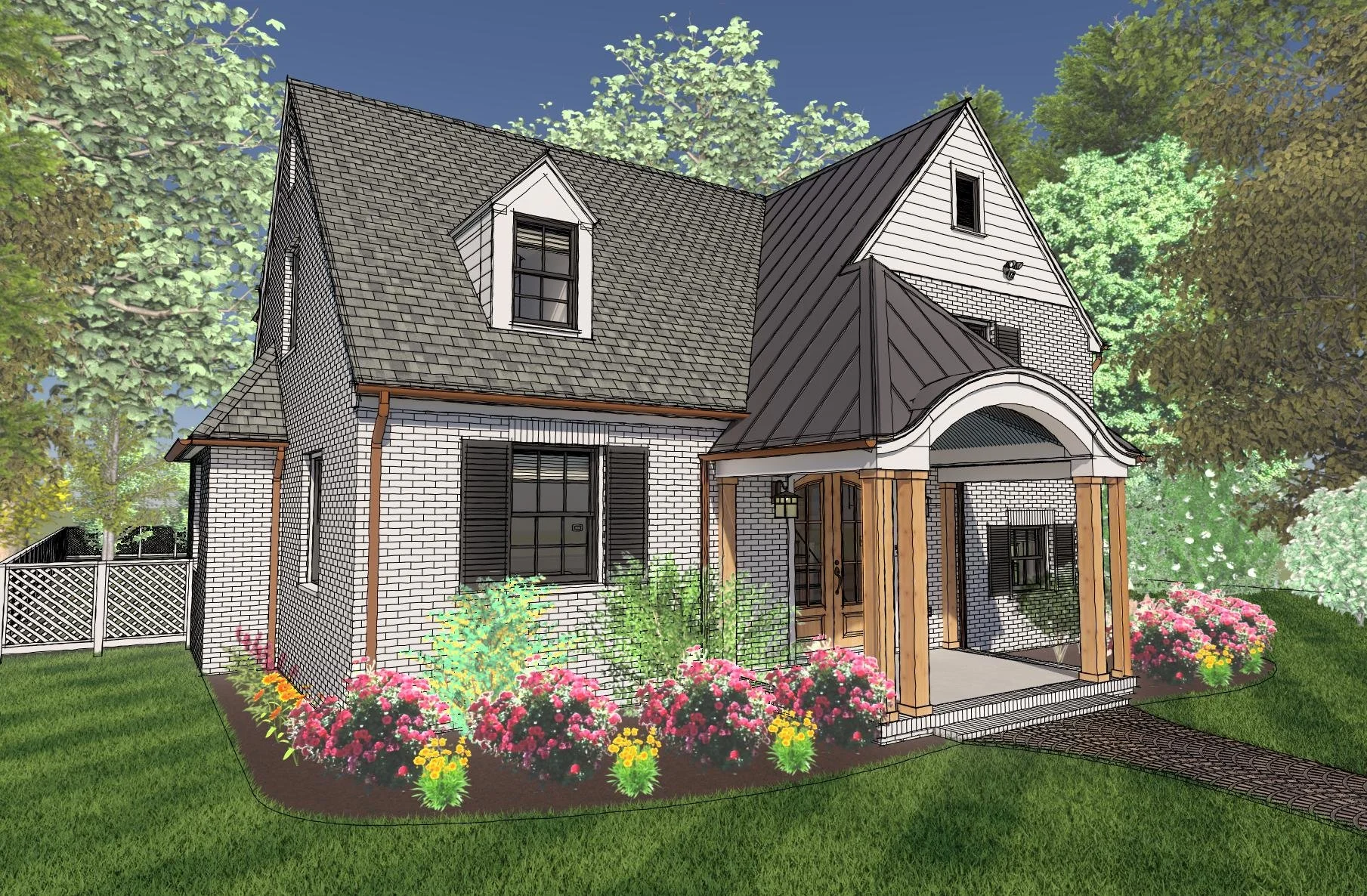
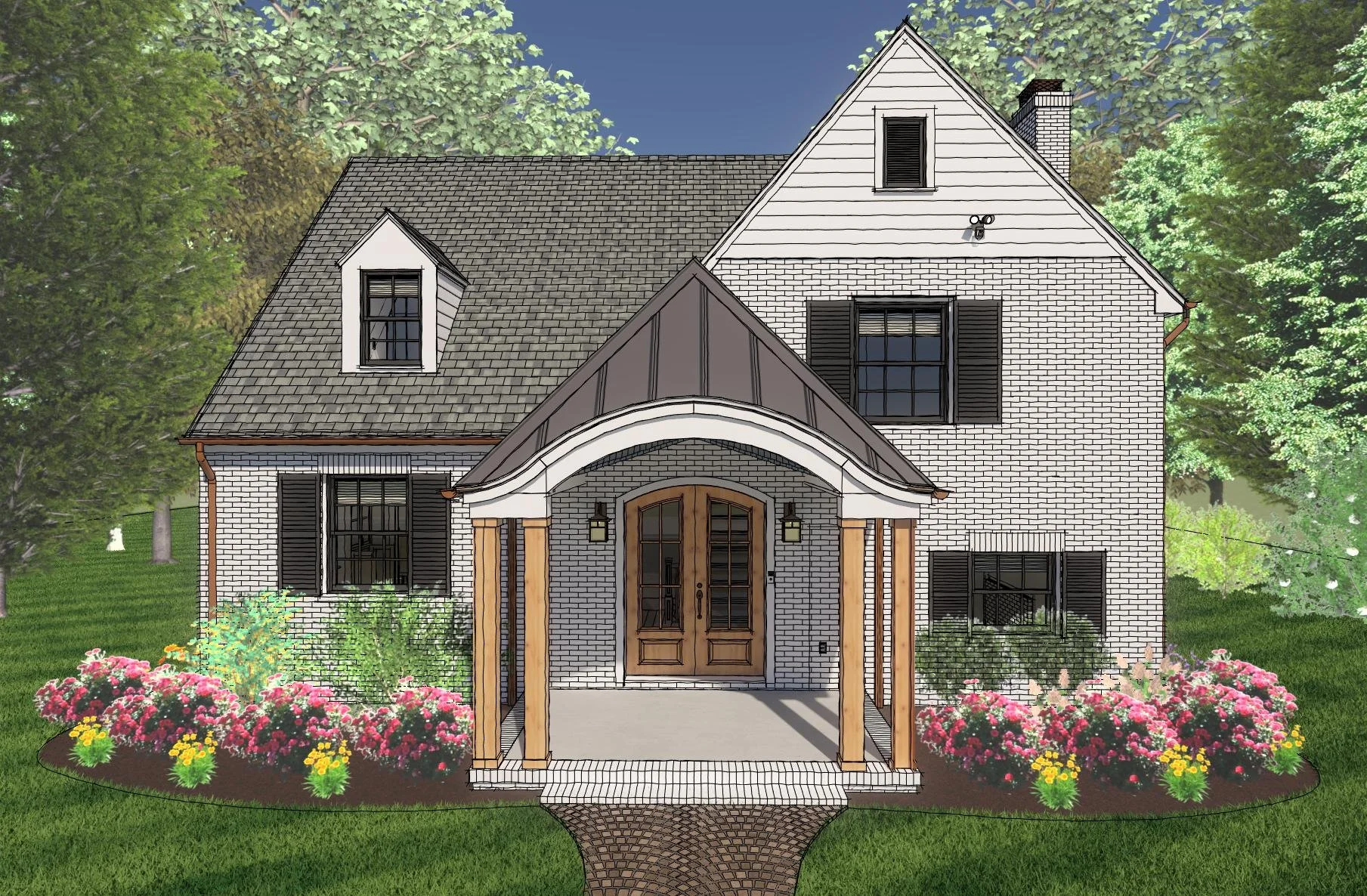
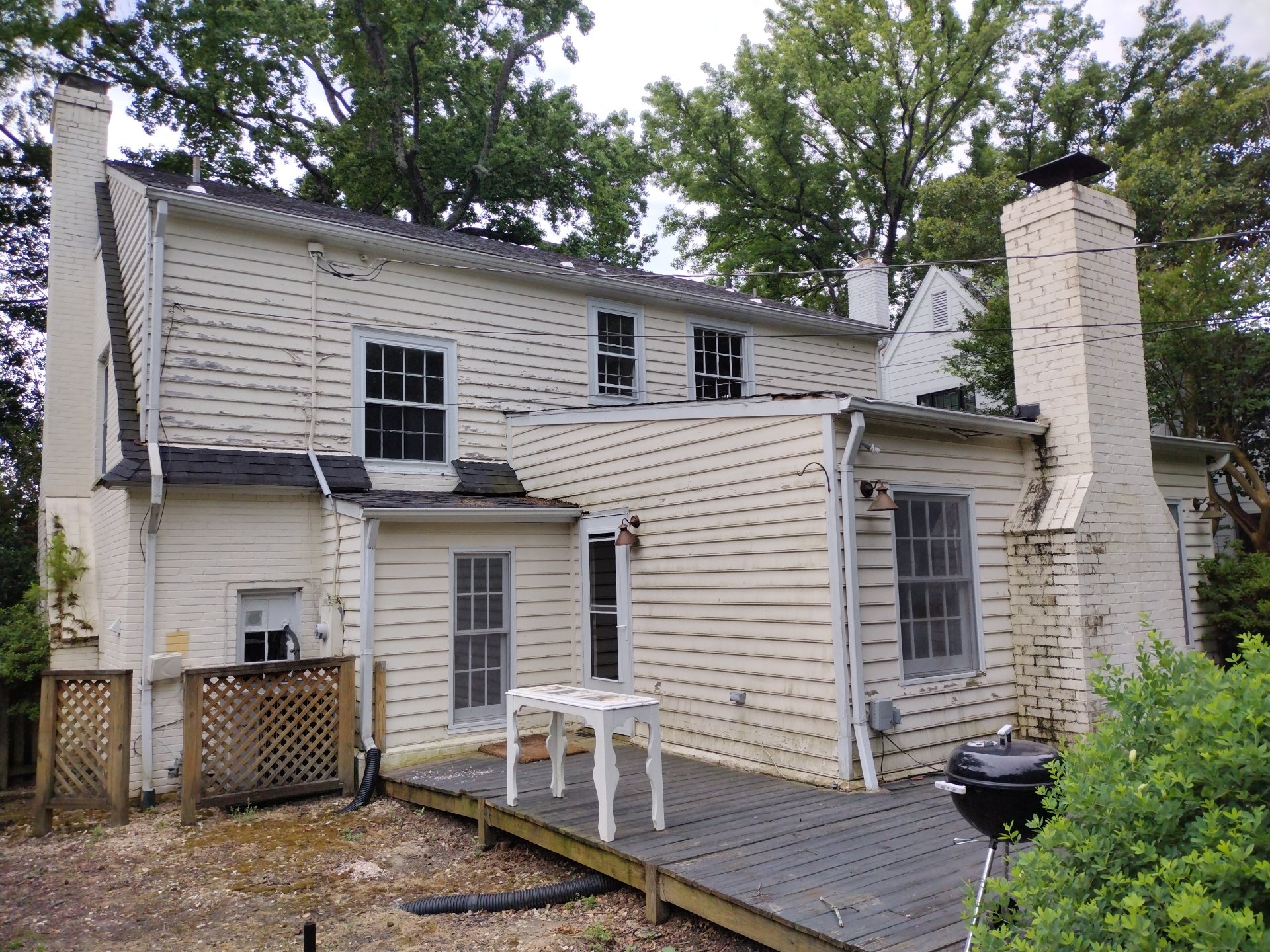
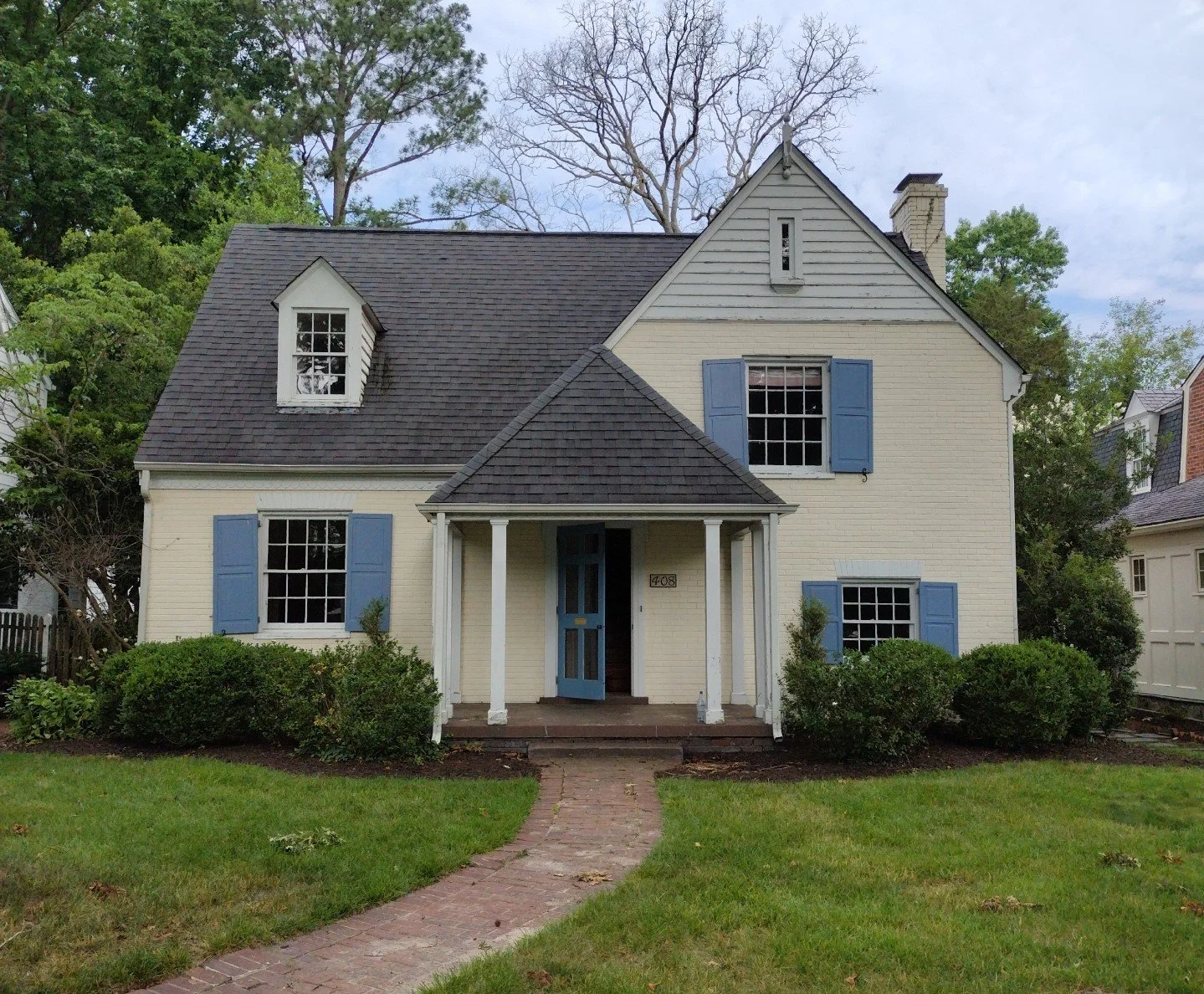
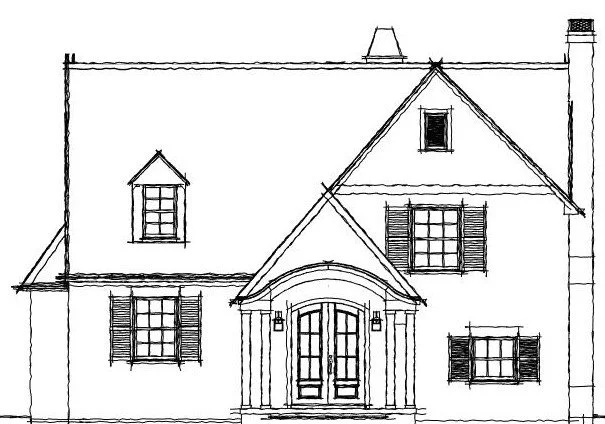
Seneca Renewal was developed for a homeowner who purchased an existing Richmond Tudor Revival with a clear vision for making it distinctly her own.
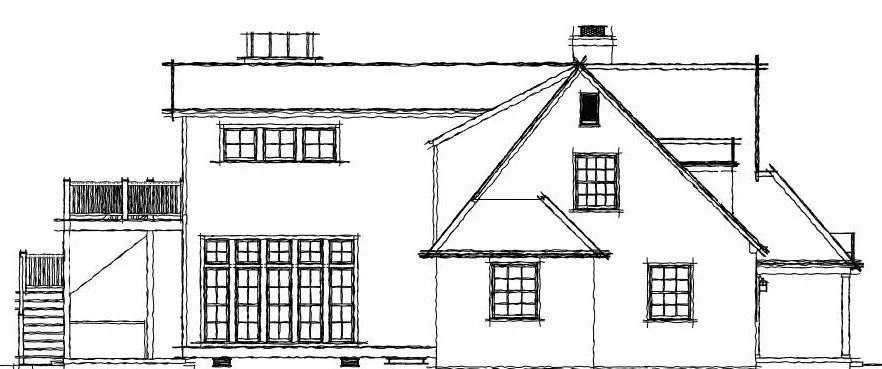
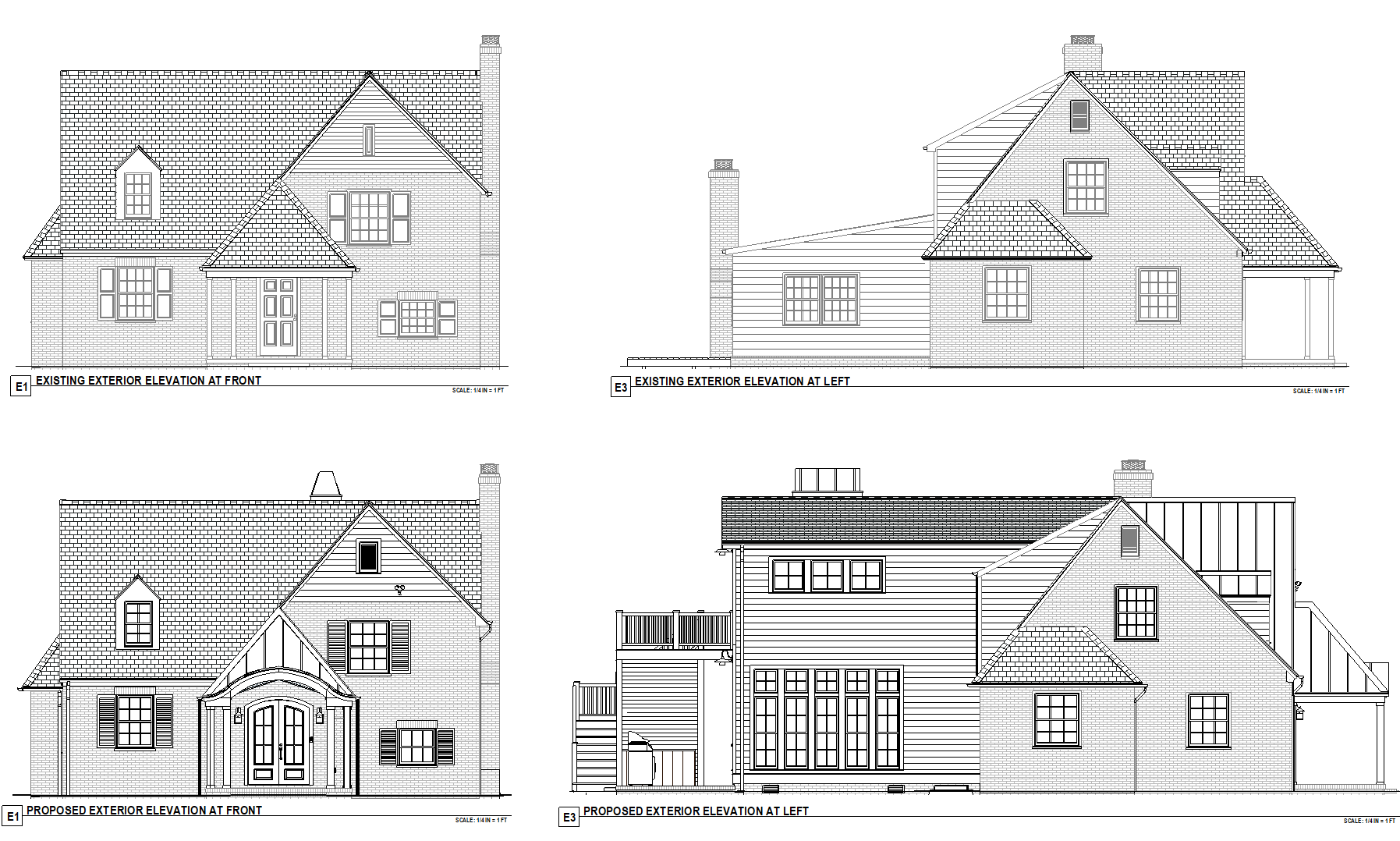
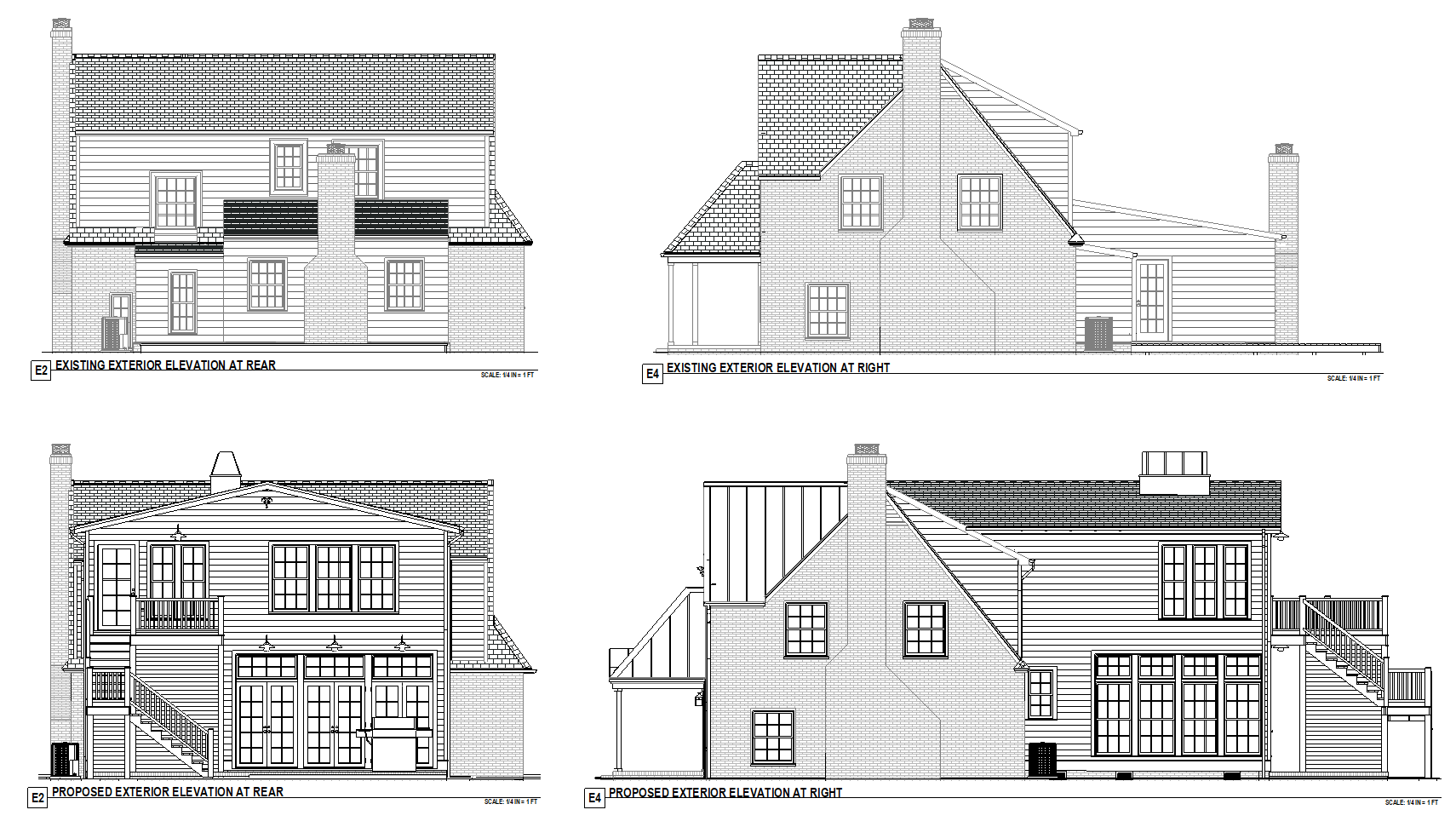
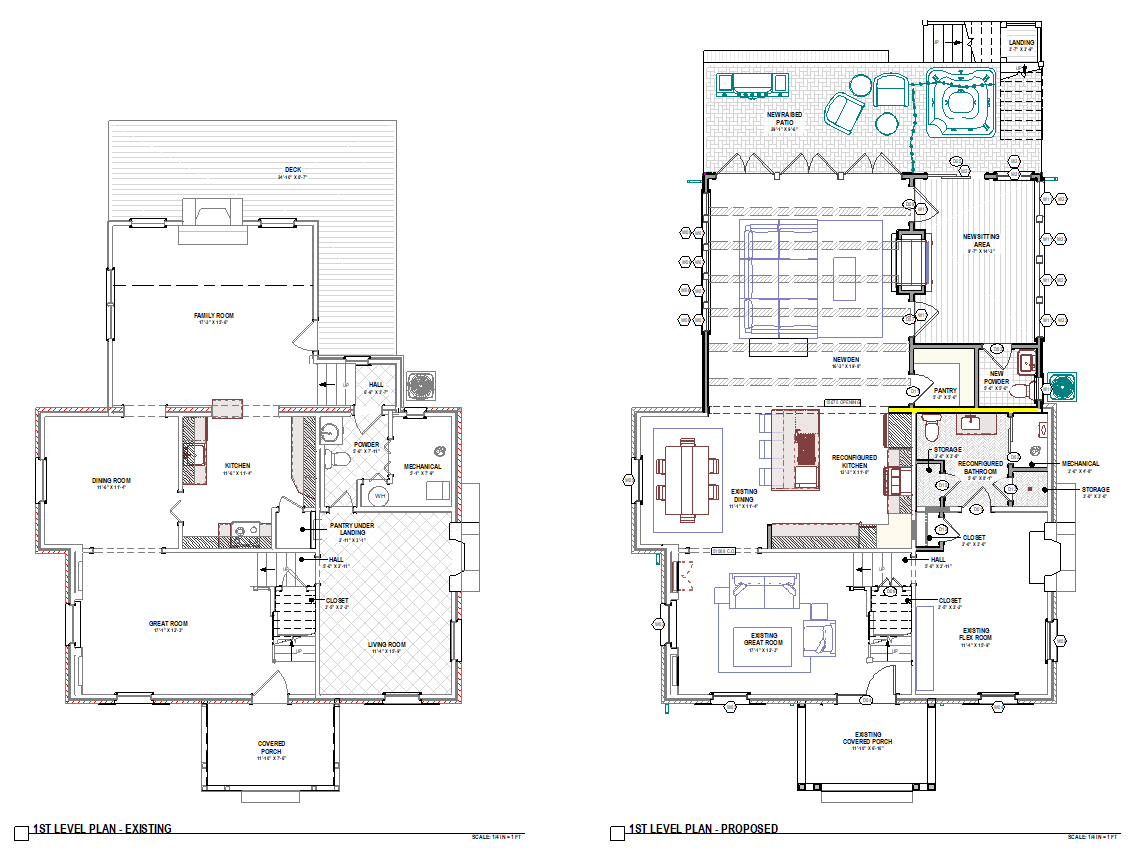
The project combines a two-story rear addition with extensive interior renovation, introducing more light, more usable living space, and highly individualized rooms while retaining the character and memorable quirks of the original home.
Renewing Without Erasing
Renovating an older home does not always mean removing everything that makes it unusual.
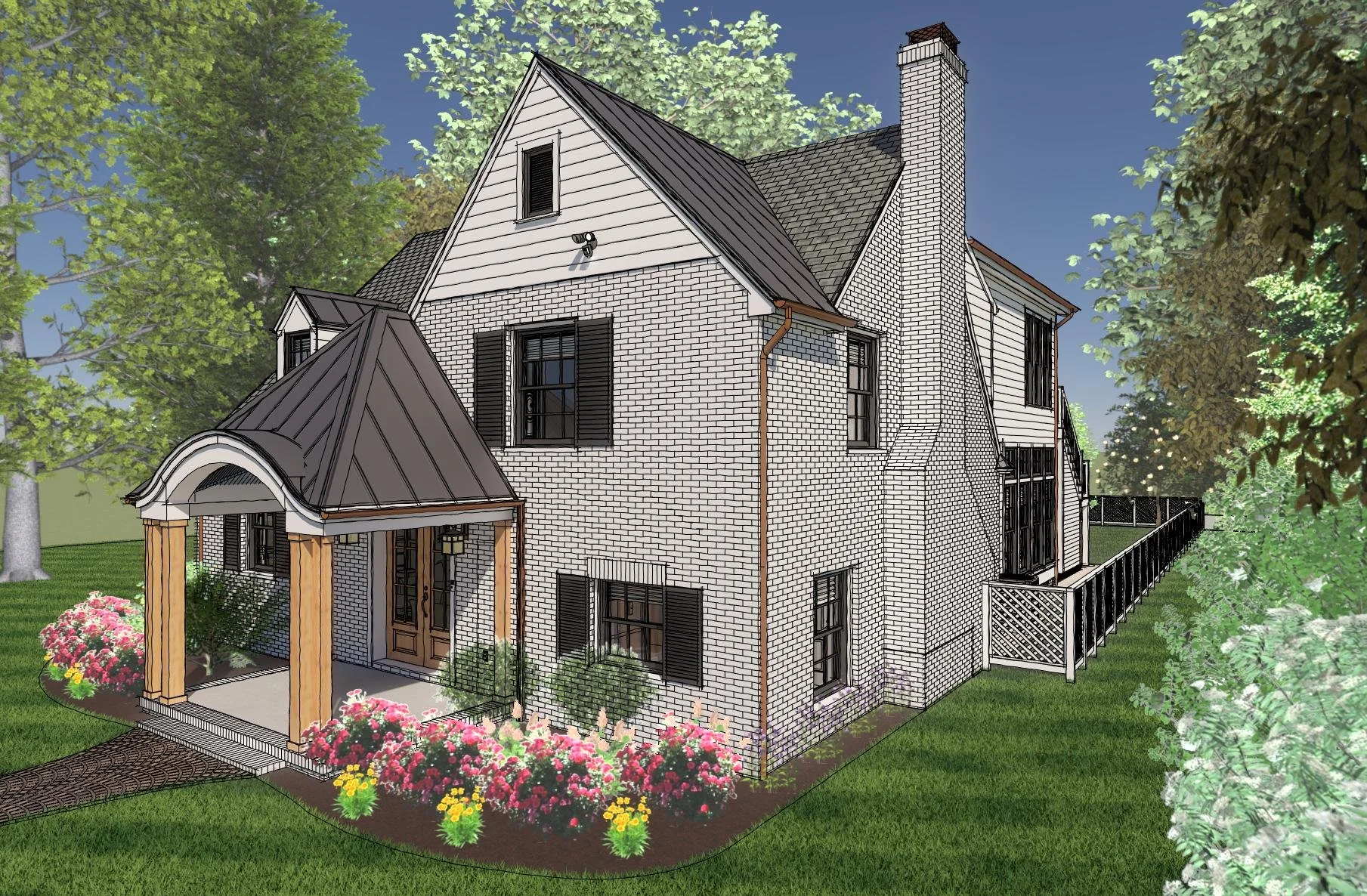
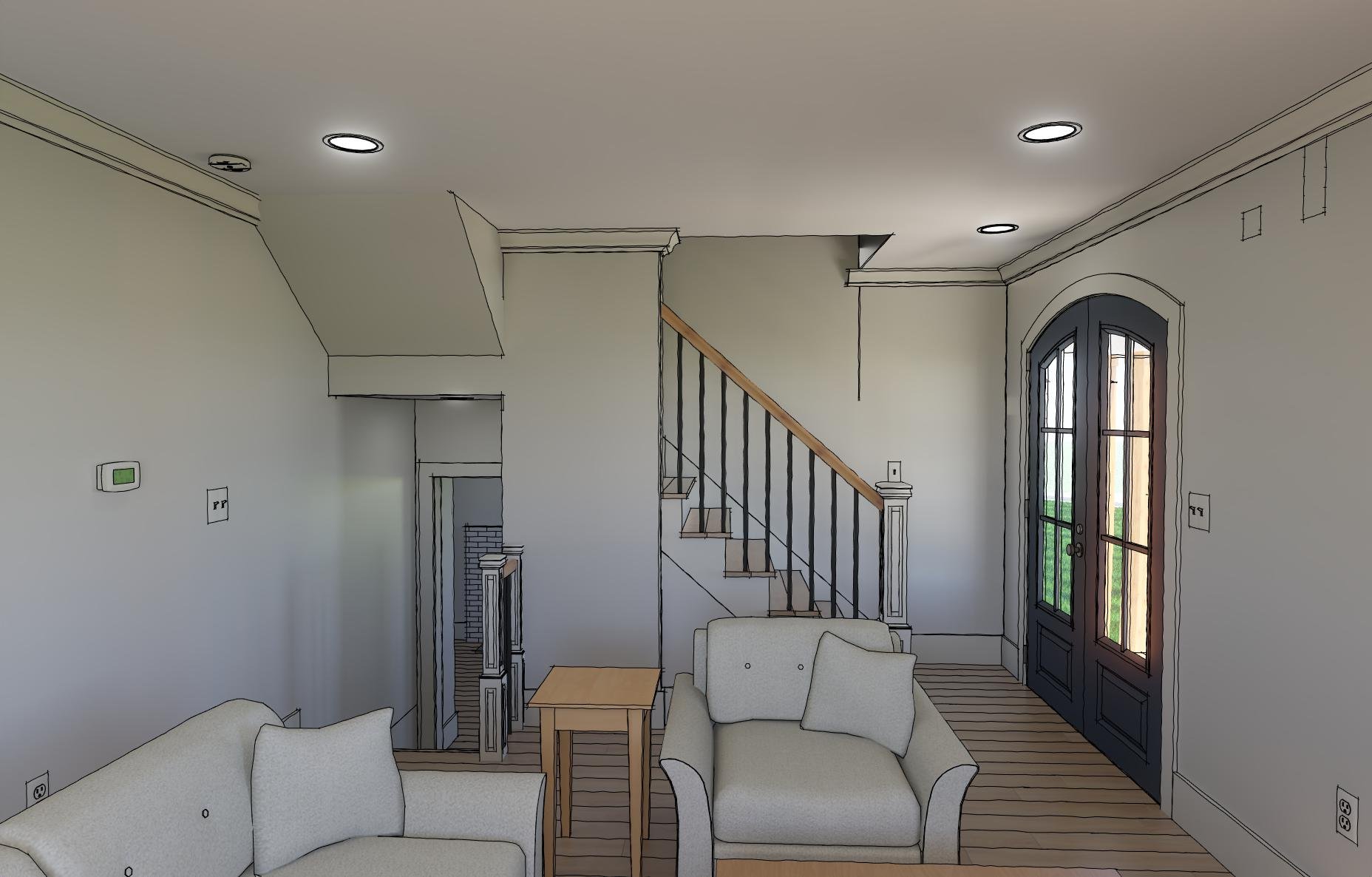
Several of the house’s original features were intentionally retained, allowing the renovation to preserve a sense of history, personality, and familiarity while introducing a substantially different way of living within the home.
New work was designed to complement the Tudor Revival character without requiring every new element to imitate the original house literally.
A Rear Addition Built Around Light
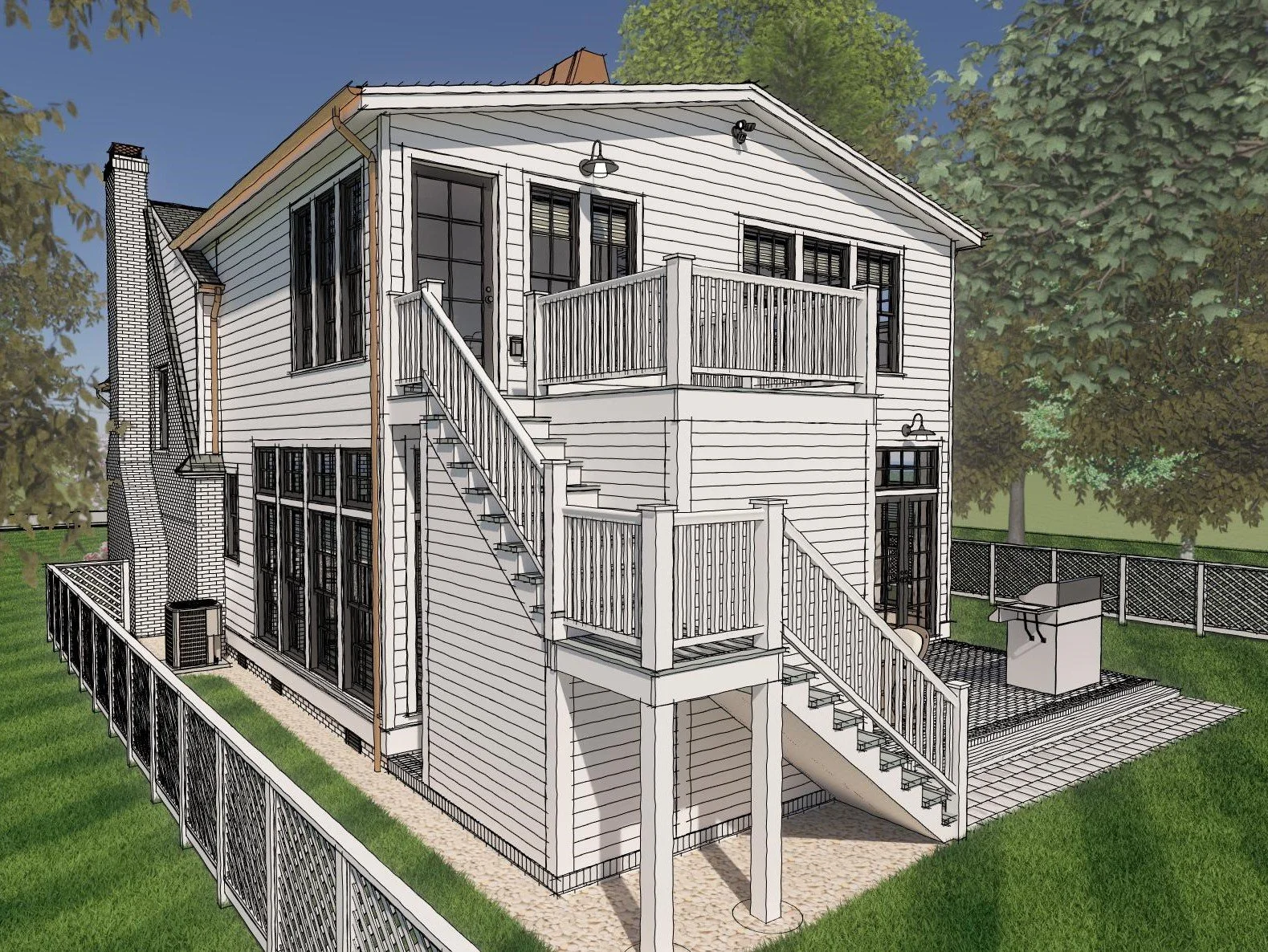
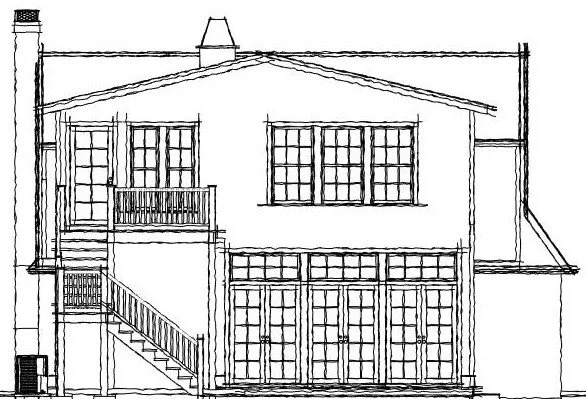
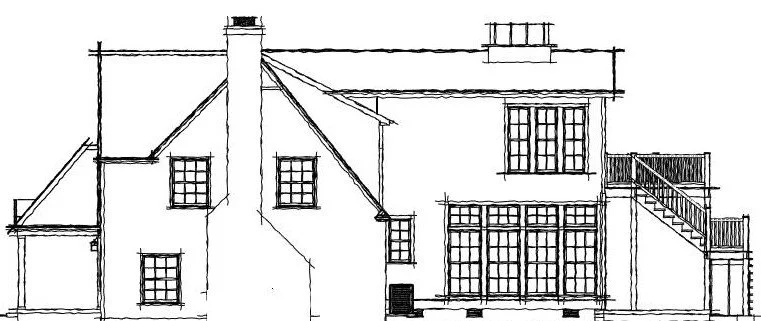
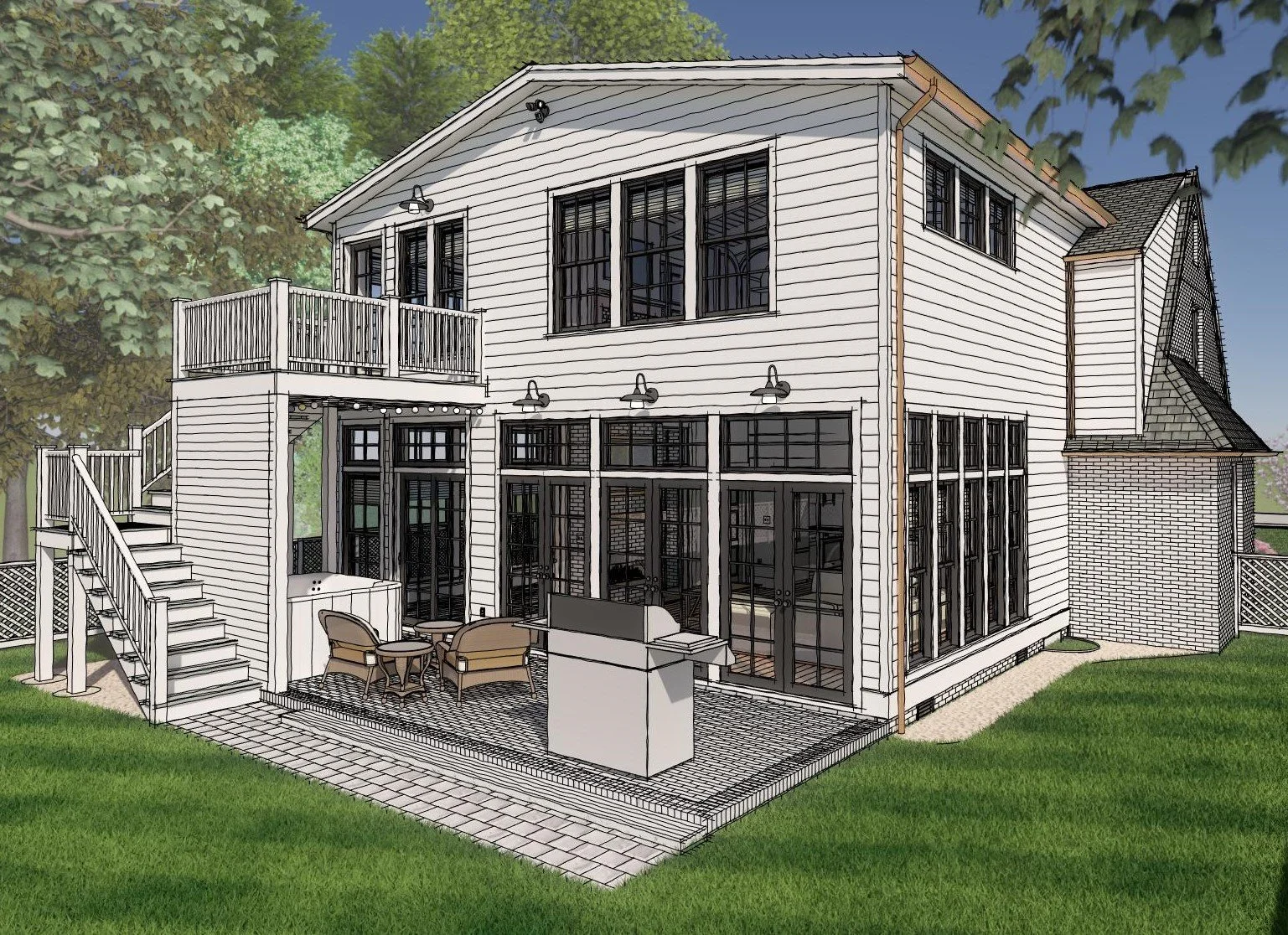
The rear of the home was expanded with a two-story addition designed to create brighter, more open connections to the backyard.
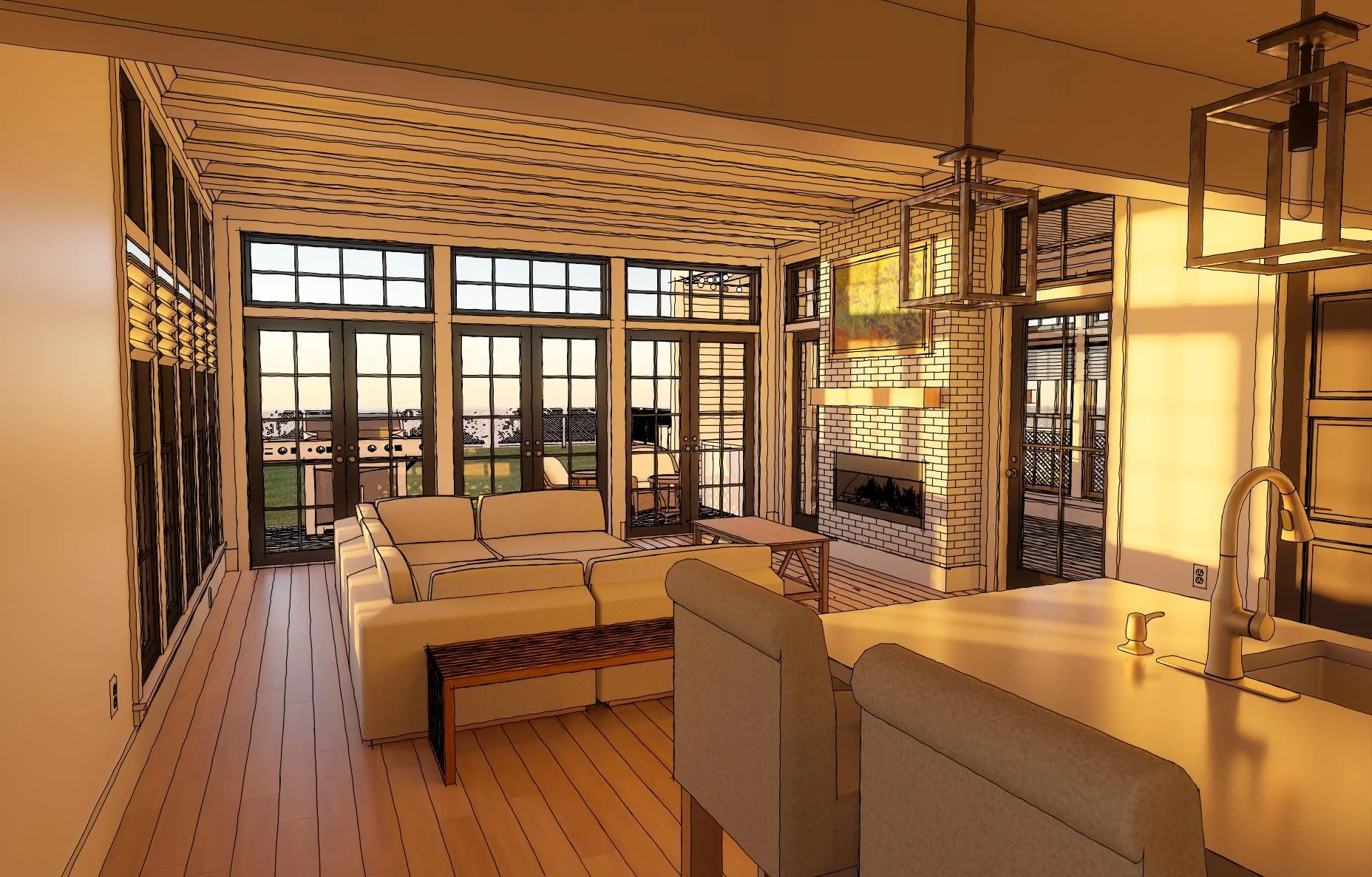
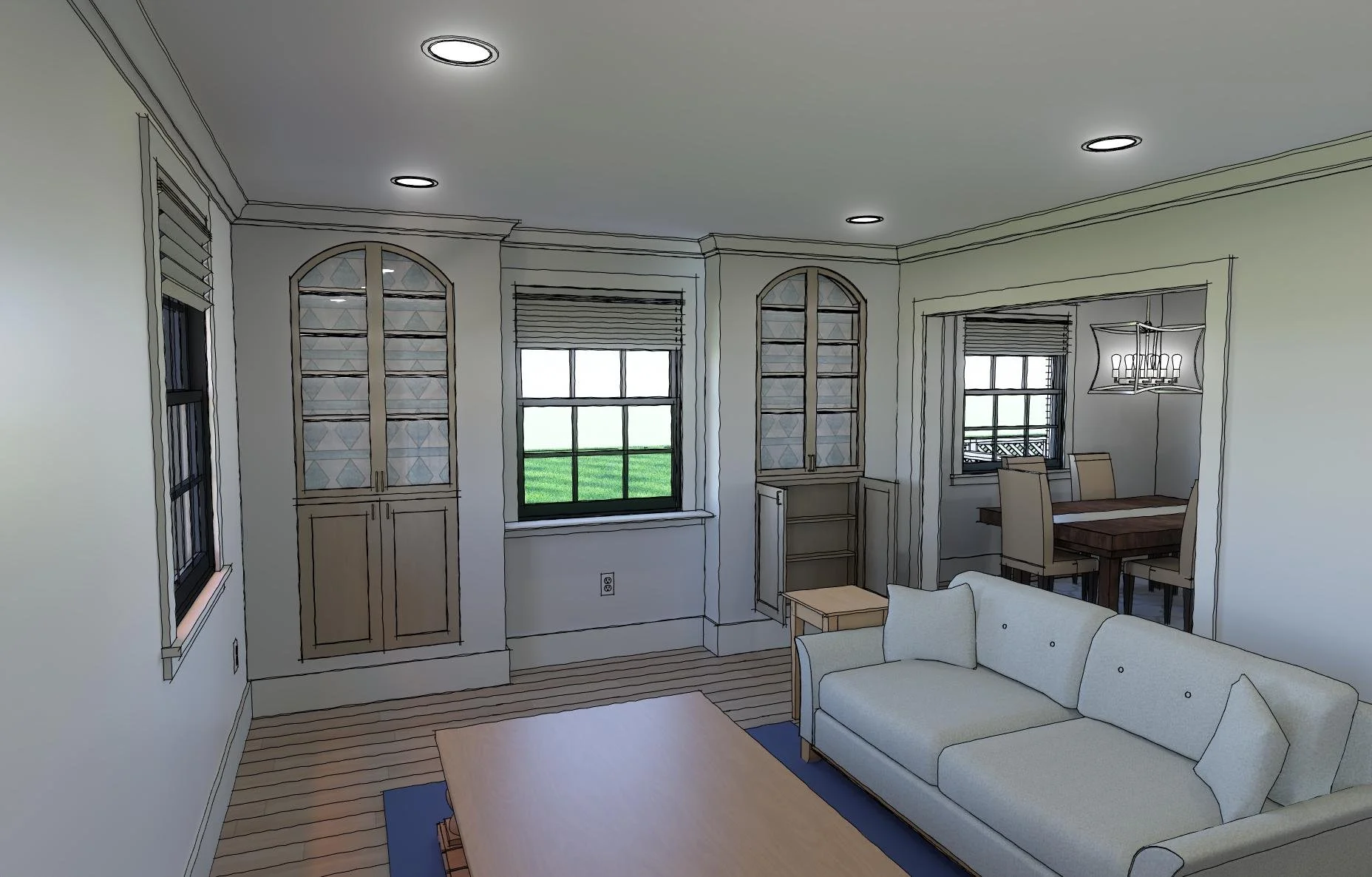
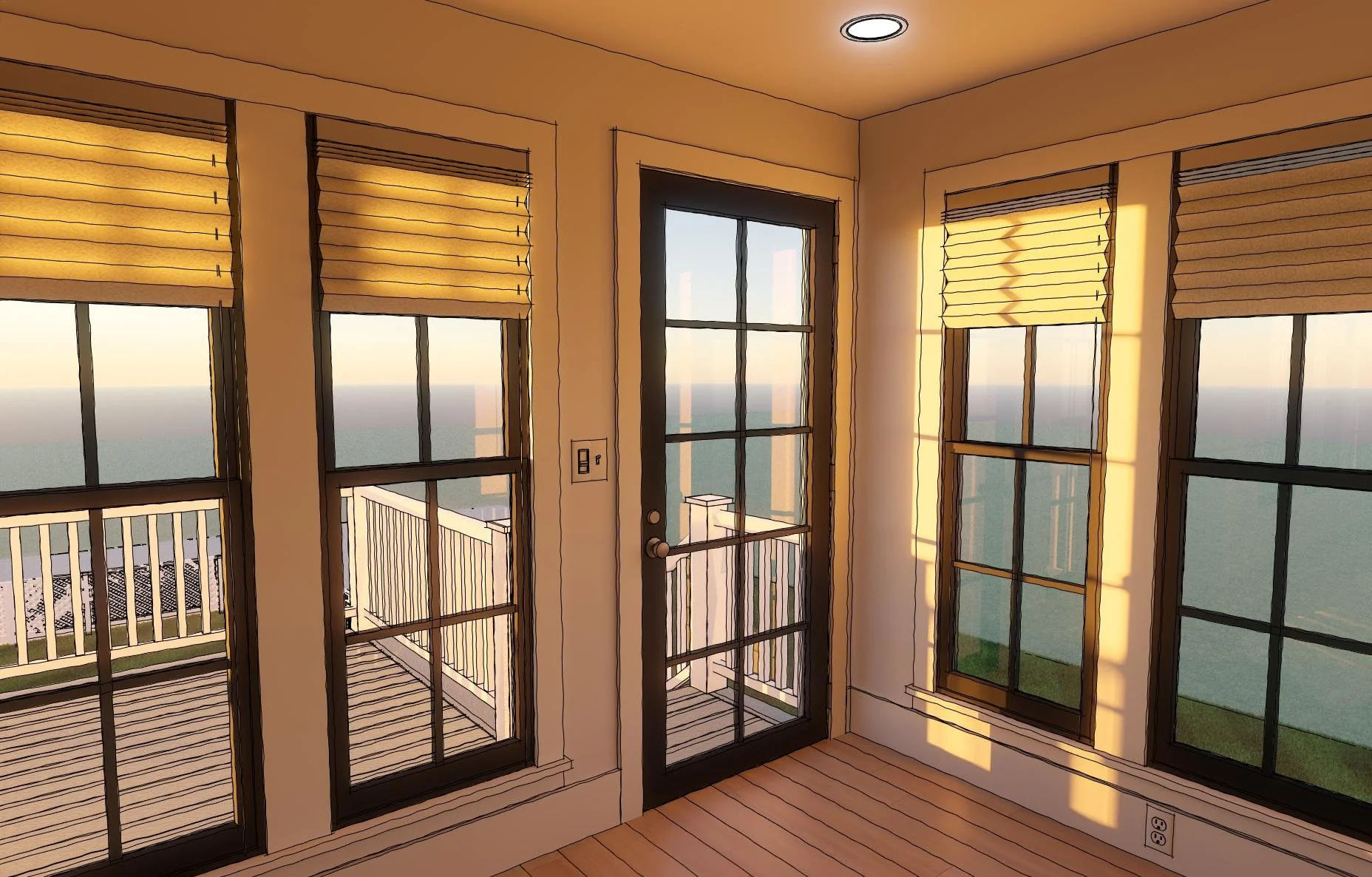
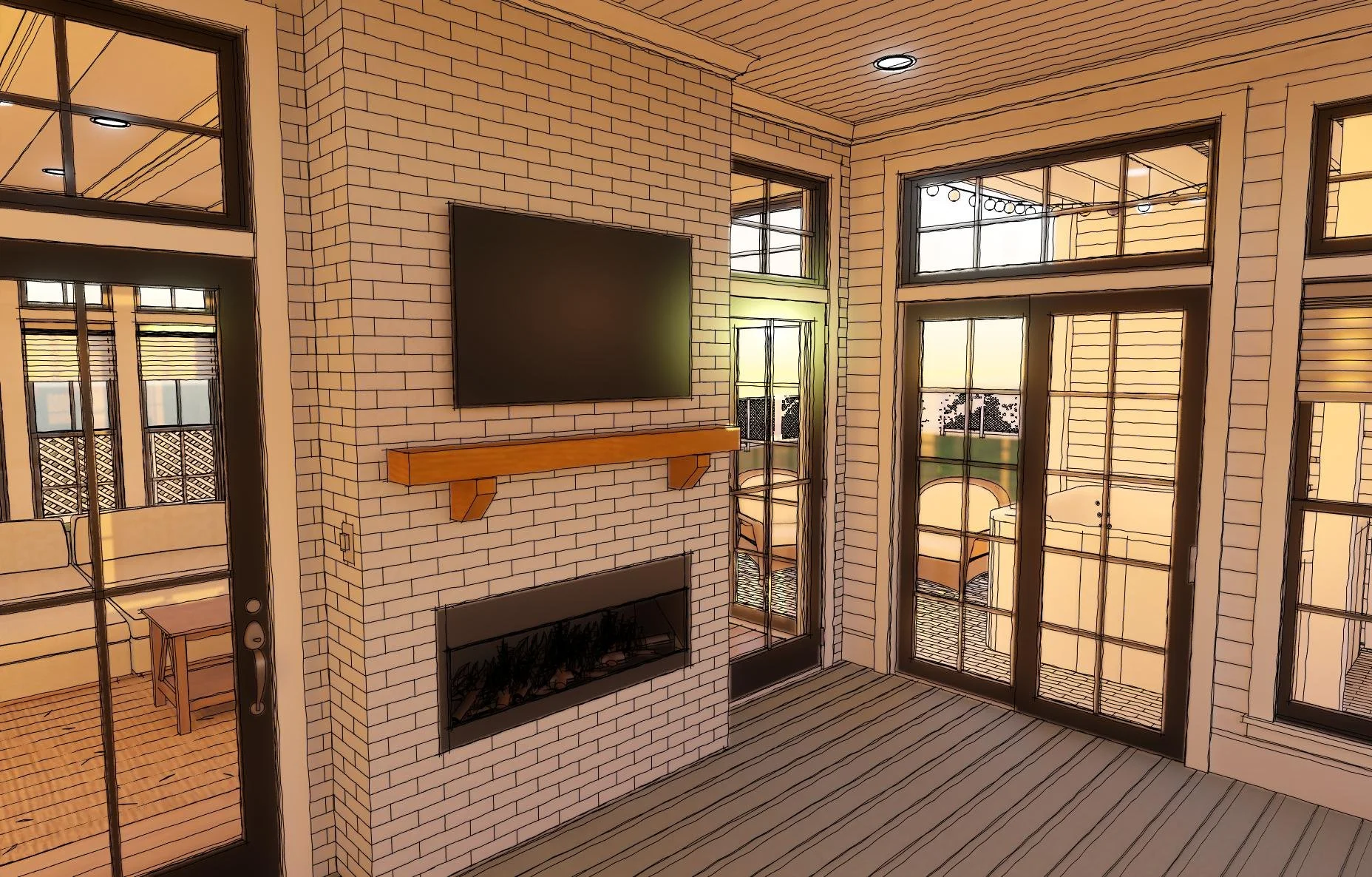
On the main level, a new family room uses a raised ceiling, generous glazing, and transom windows to pull daylight deeper into the living space and establish a stronger relationship between indoors and out.
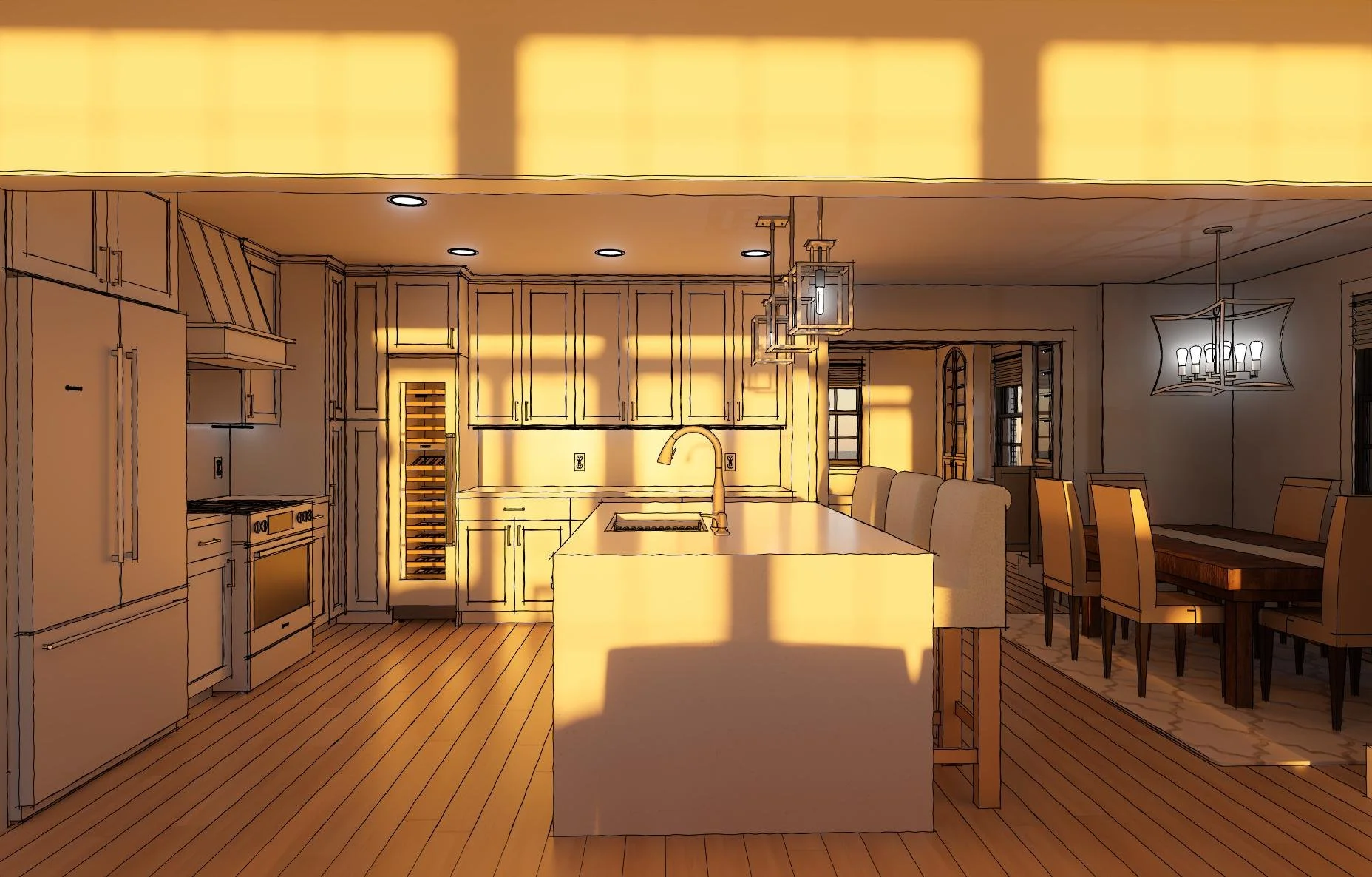
Large openings connect the addition to the surrounding kitchen and living areas while maintaining enough architectural definition for the rooms to retain their individual character.
A Primary Suite Designed as a Retreat
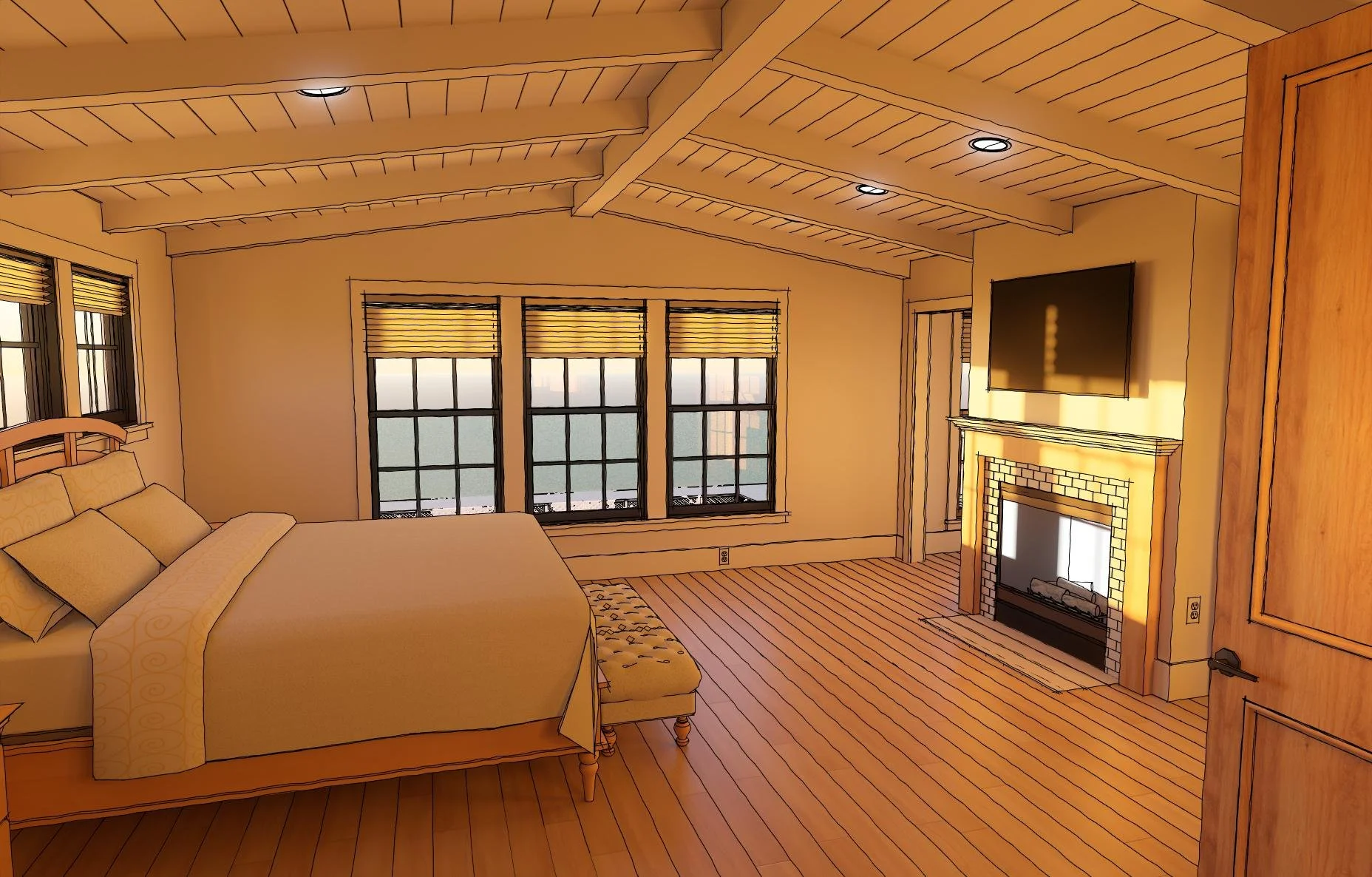
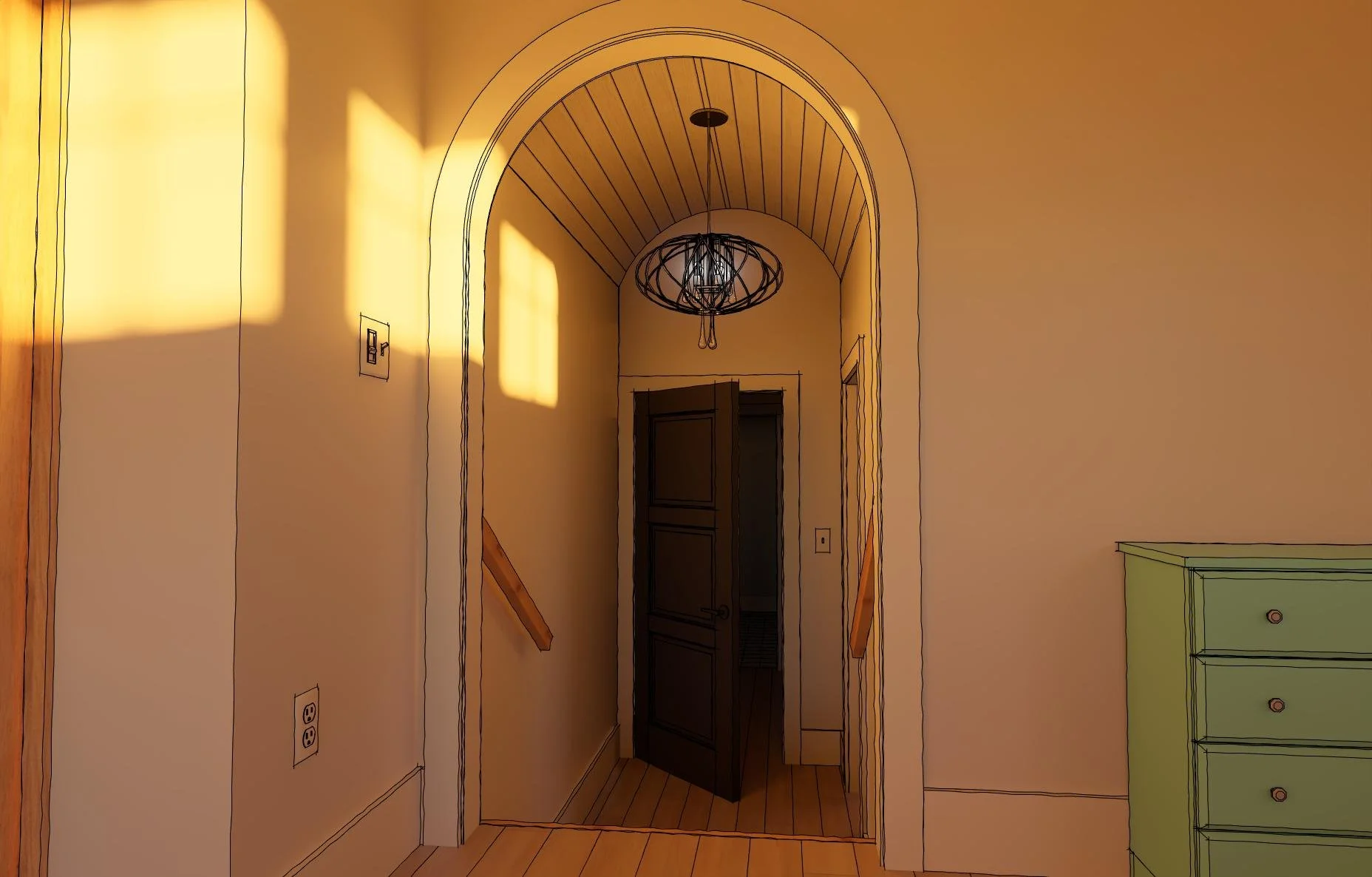
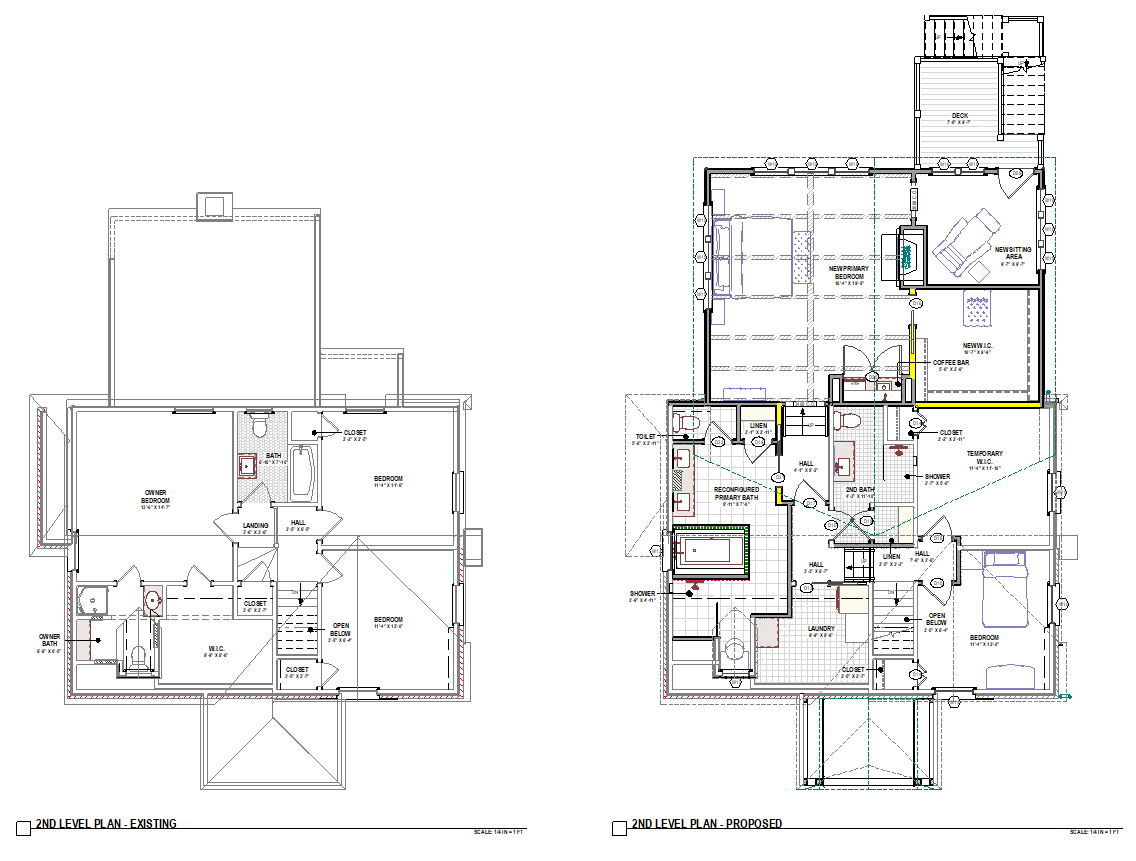
Above the new family room, the addition creates an expanded primary suite reached by a short stair to an elevated second-floor level.
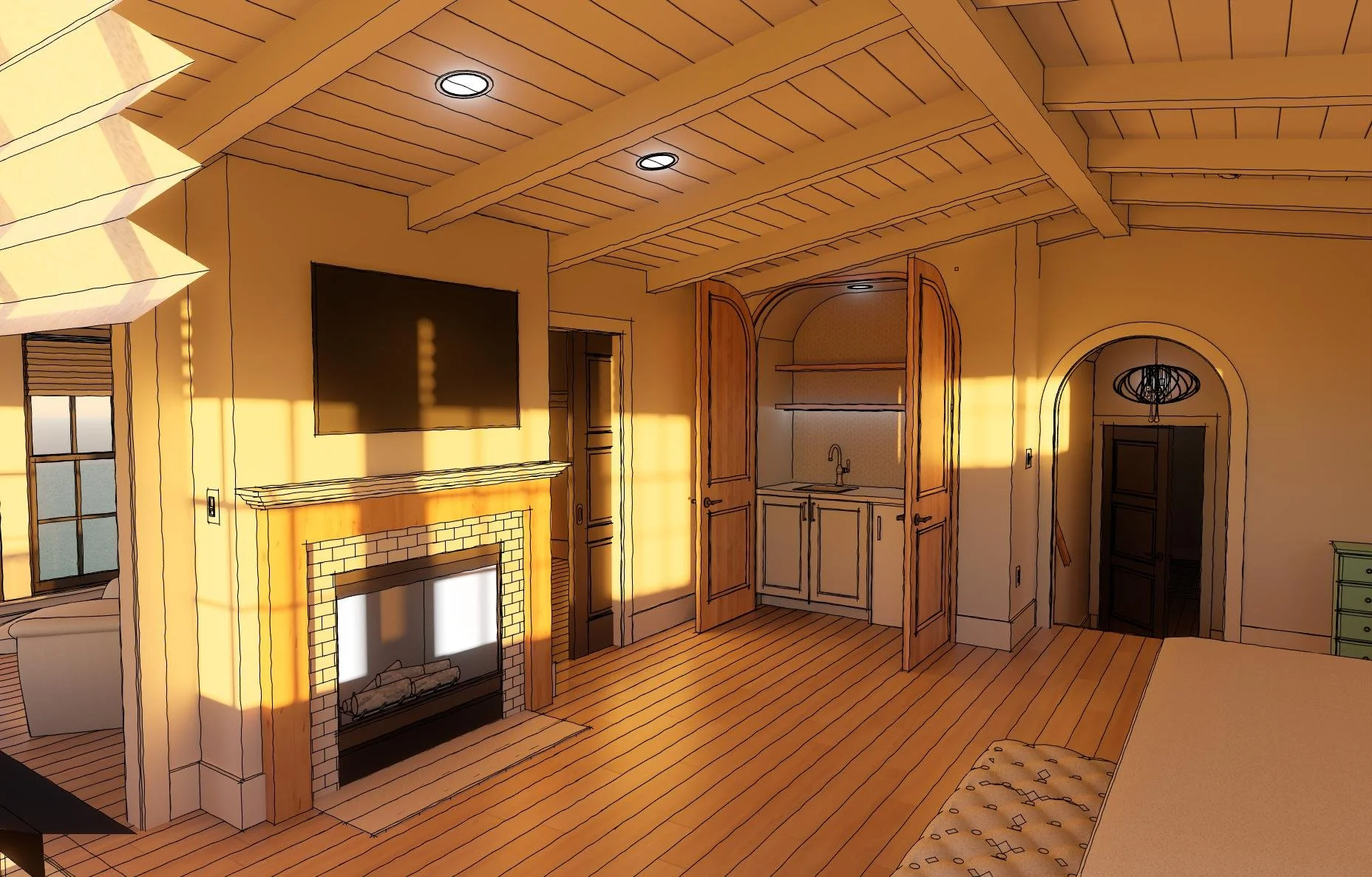
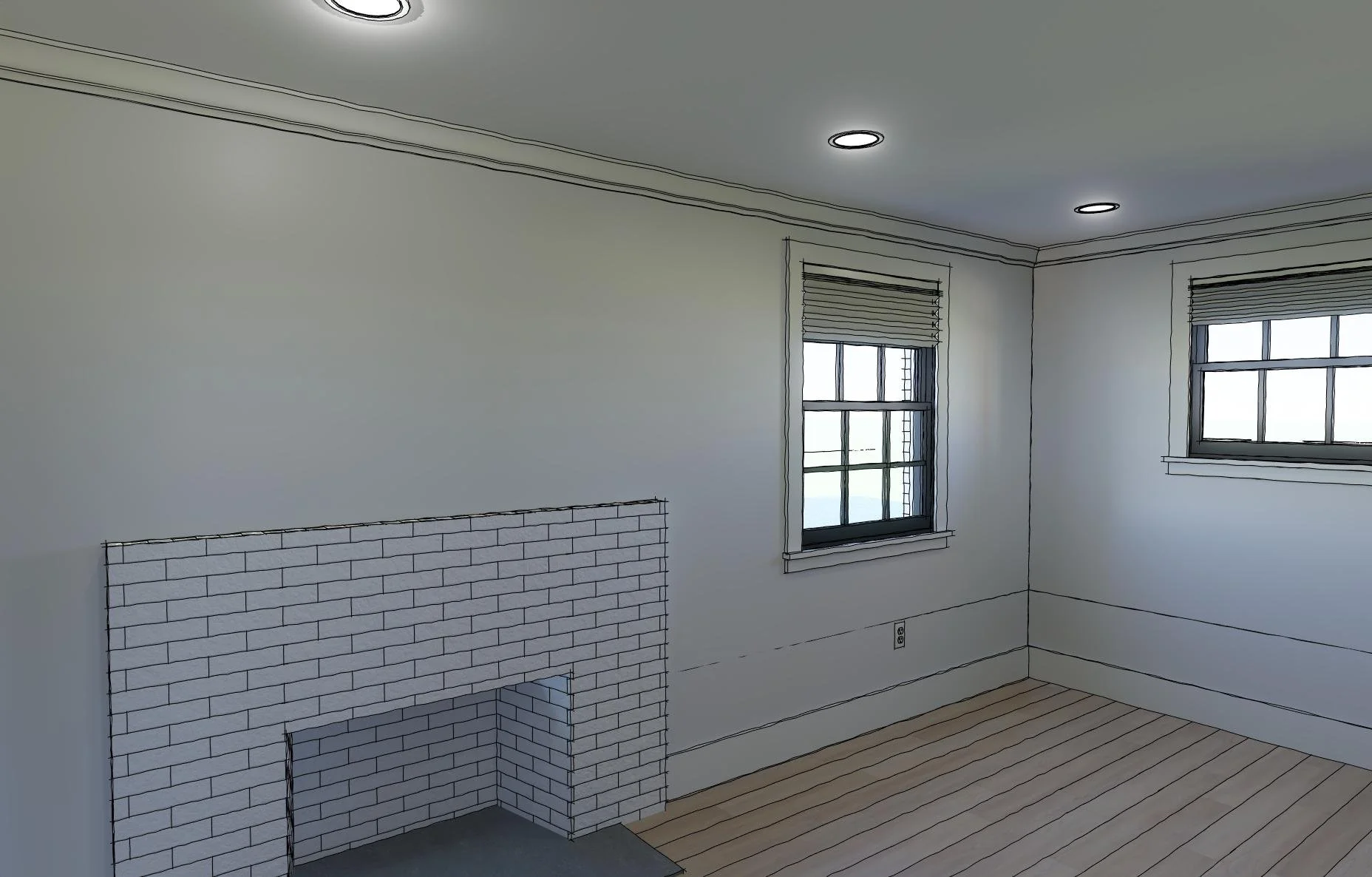
The suite was planned as more than a bedroom. It includes a private sitting area, a custom built-in coffee bar, a fireplace-centered living area, and direct access to an elevated deck overlooking the new outdoor living space.
The result is a sequence of spaces intended to make the primary suite function as a genuine private retreat within the larger home.
A Home Shaped Around One Client
One of the defining qualities of Seneca Renewal was the homeowner’s willingness to embrace highly personal ideas rather than design every room for broad resale appeal.
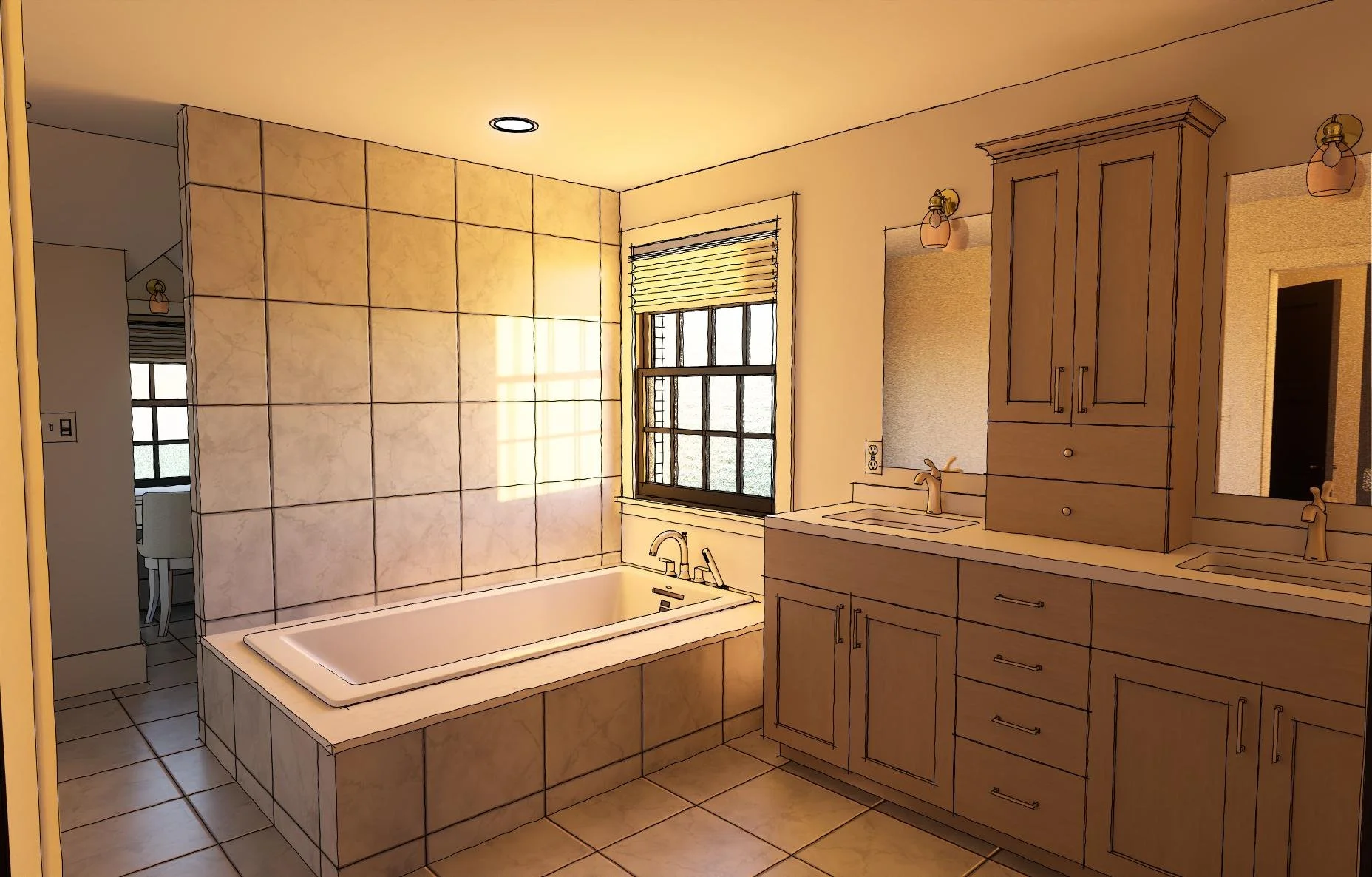
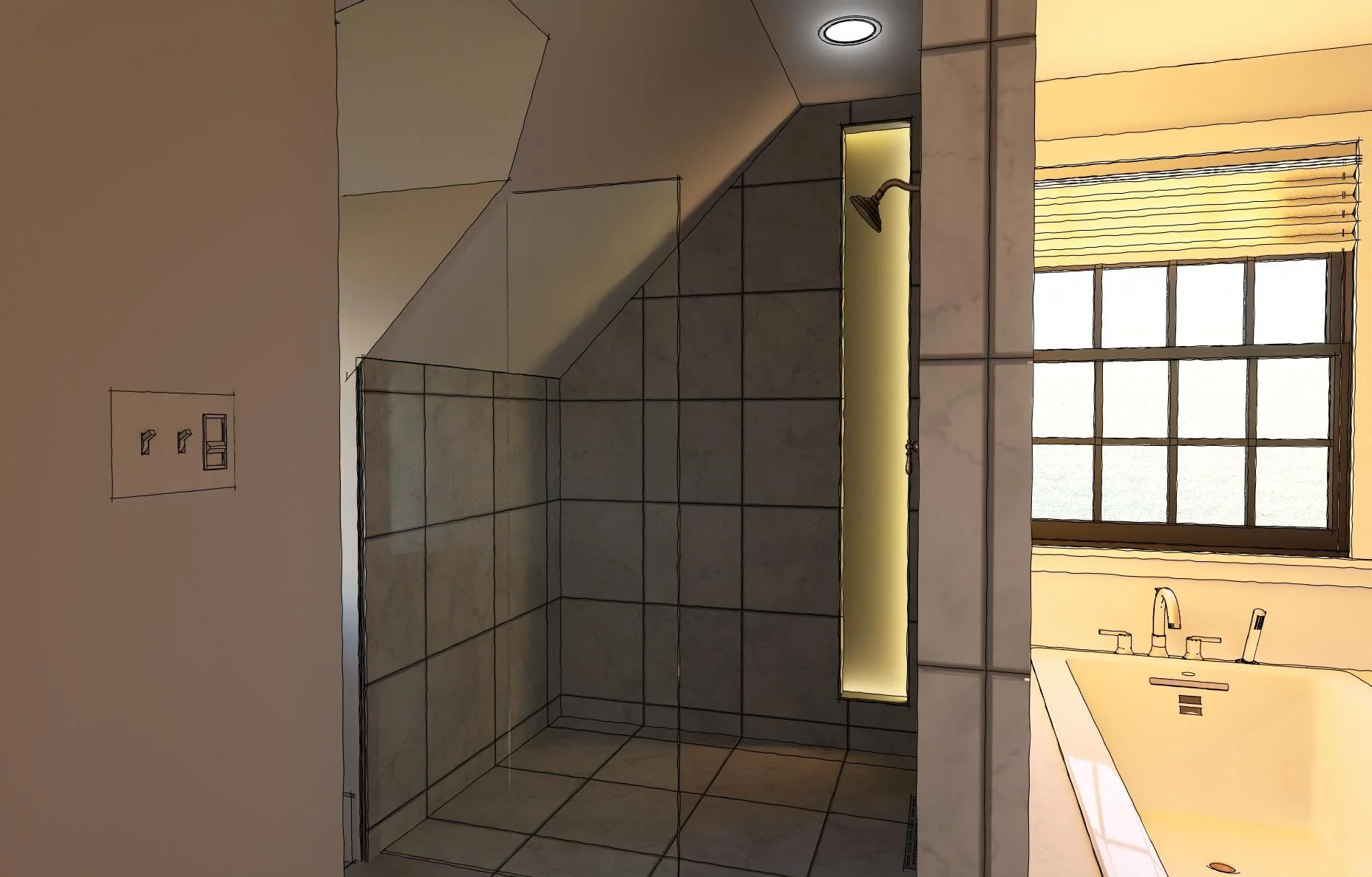
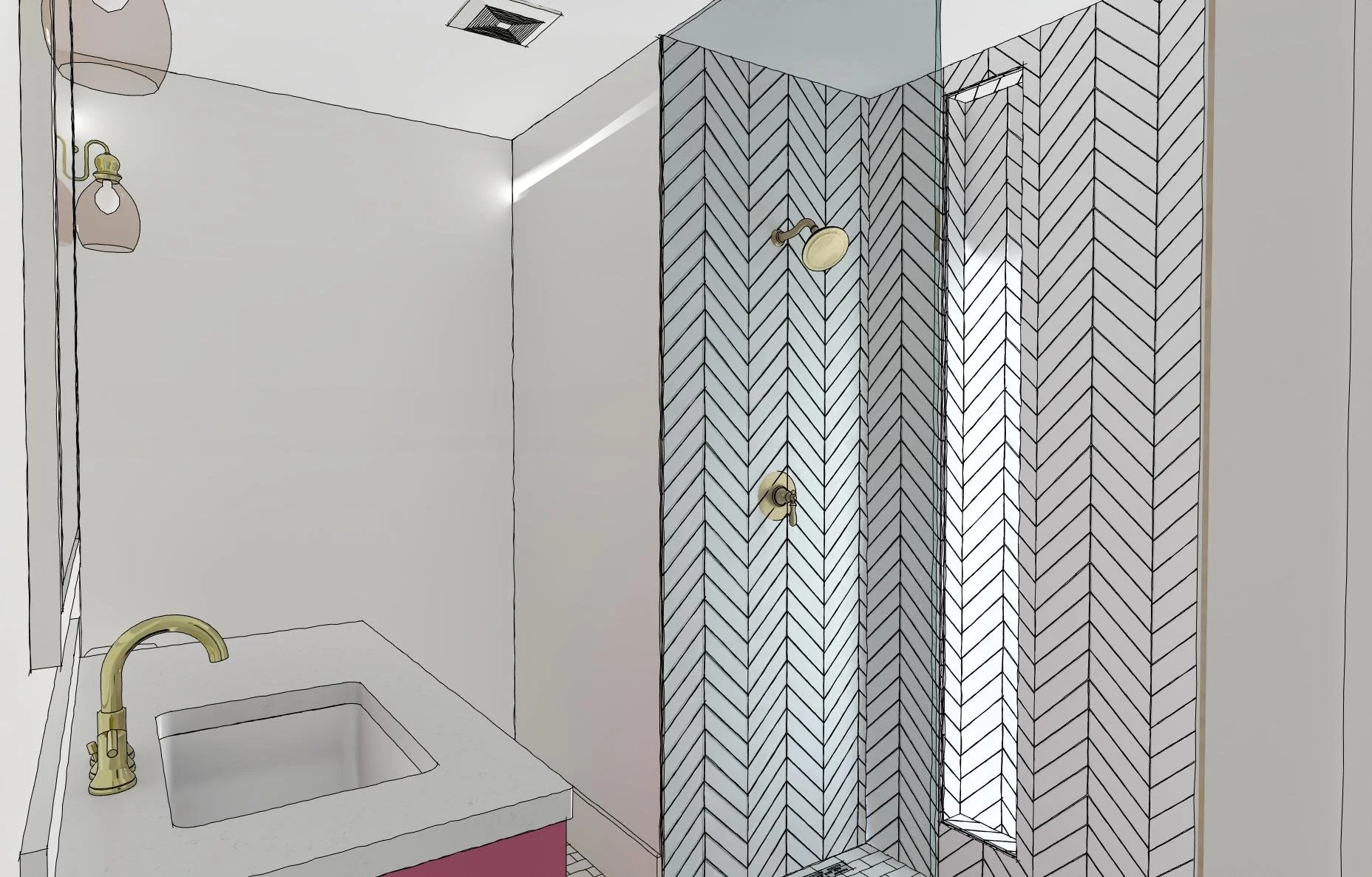
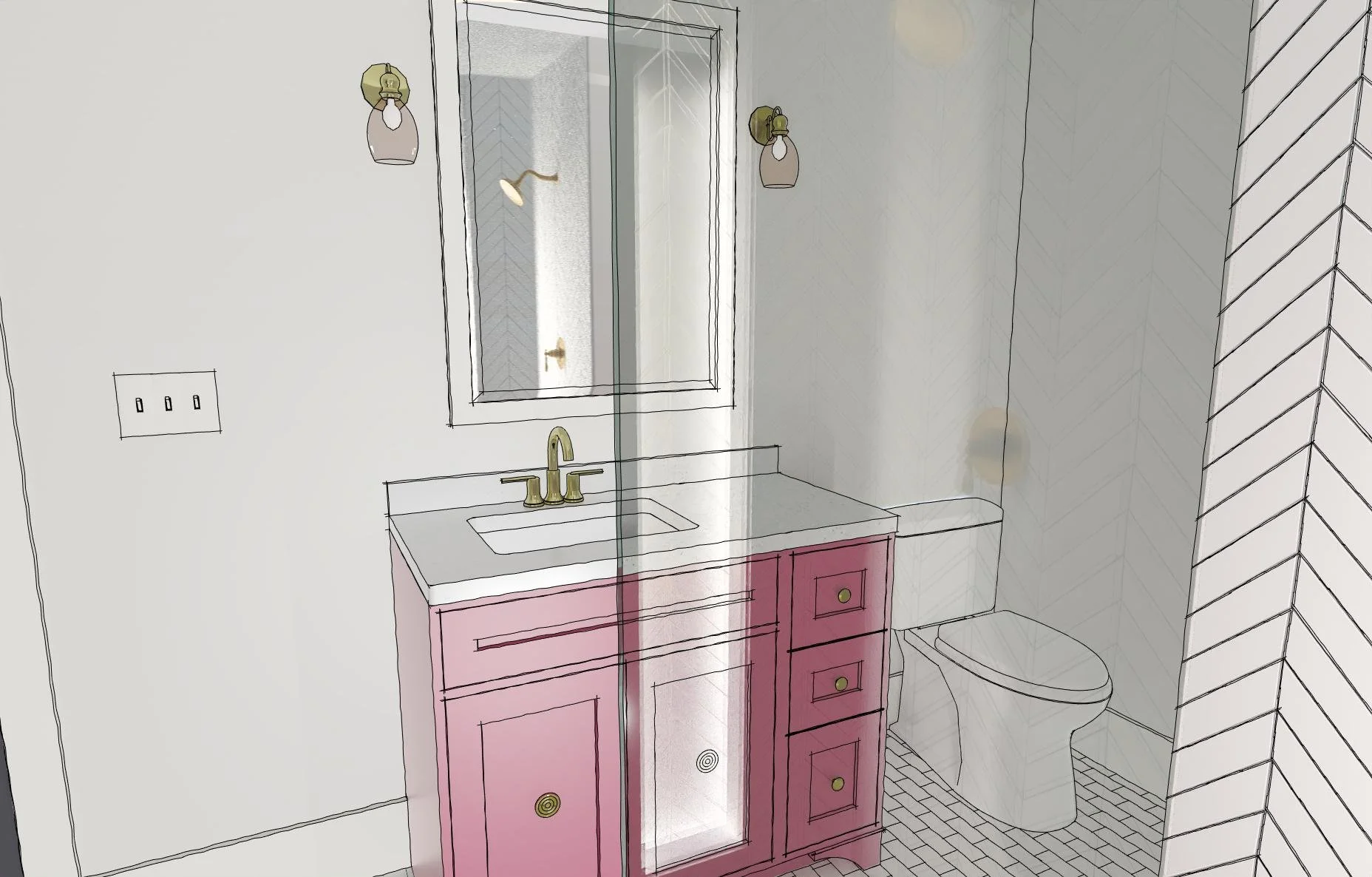
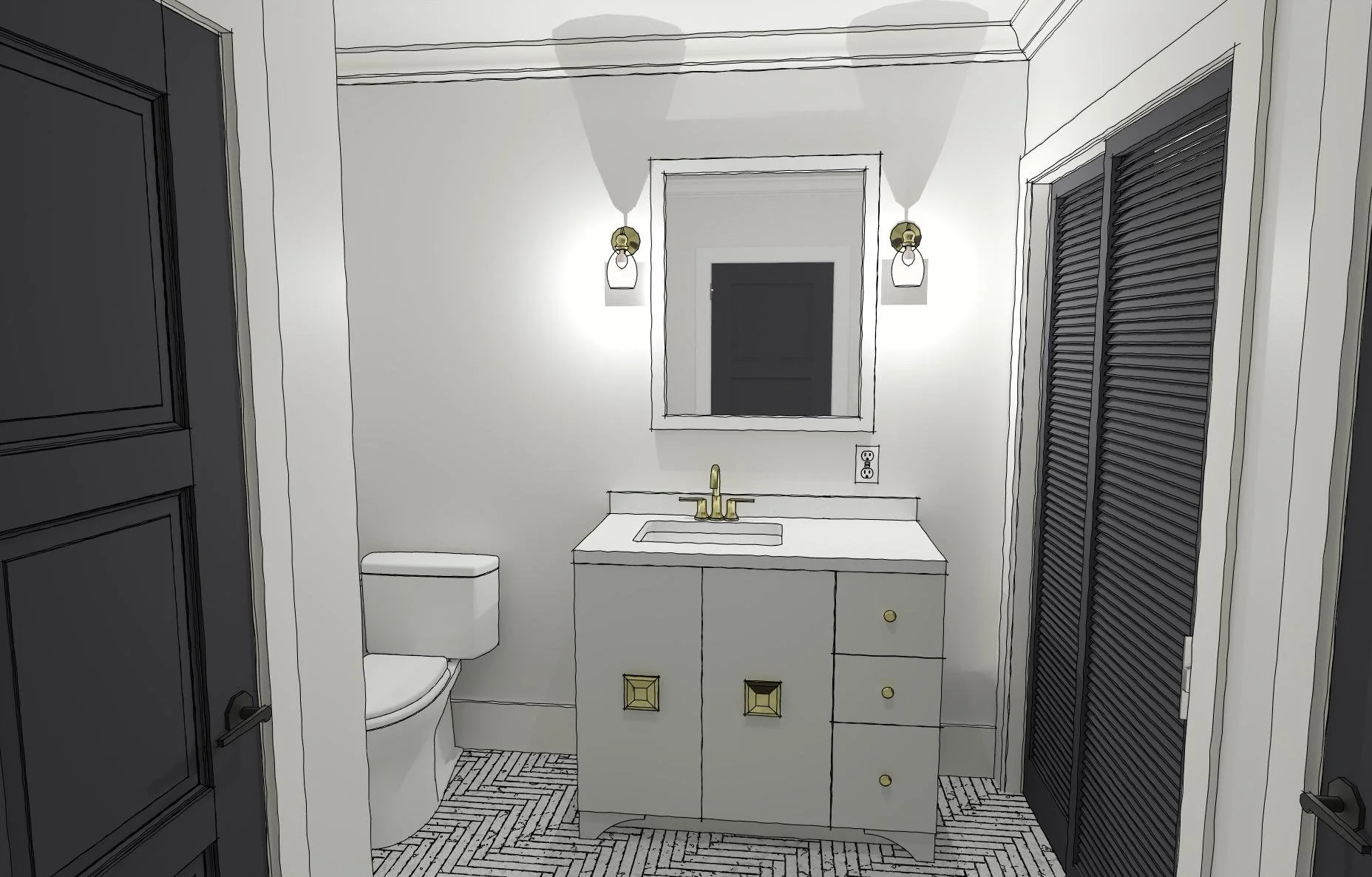
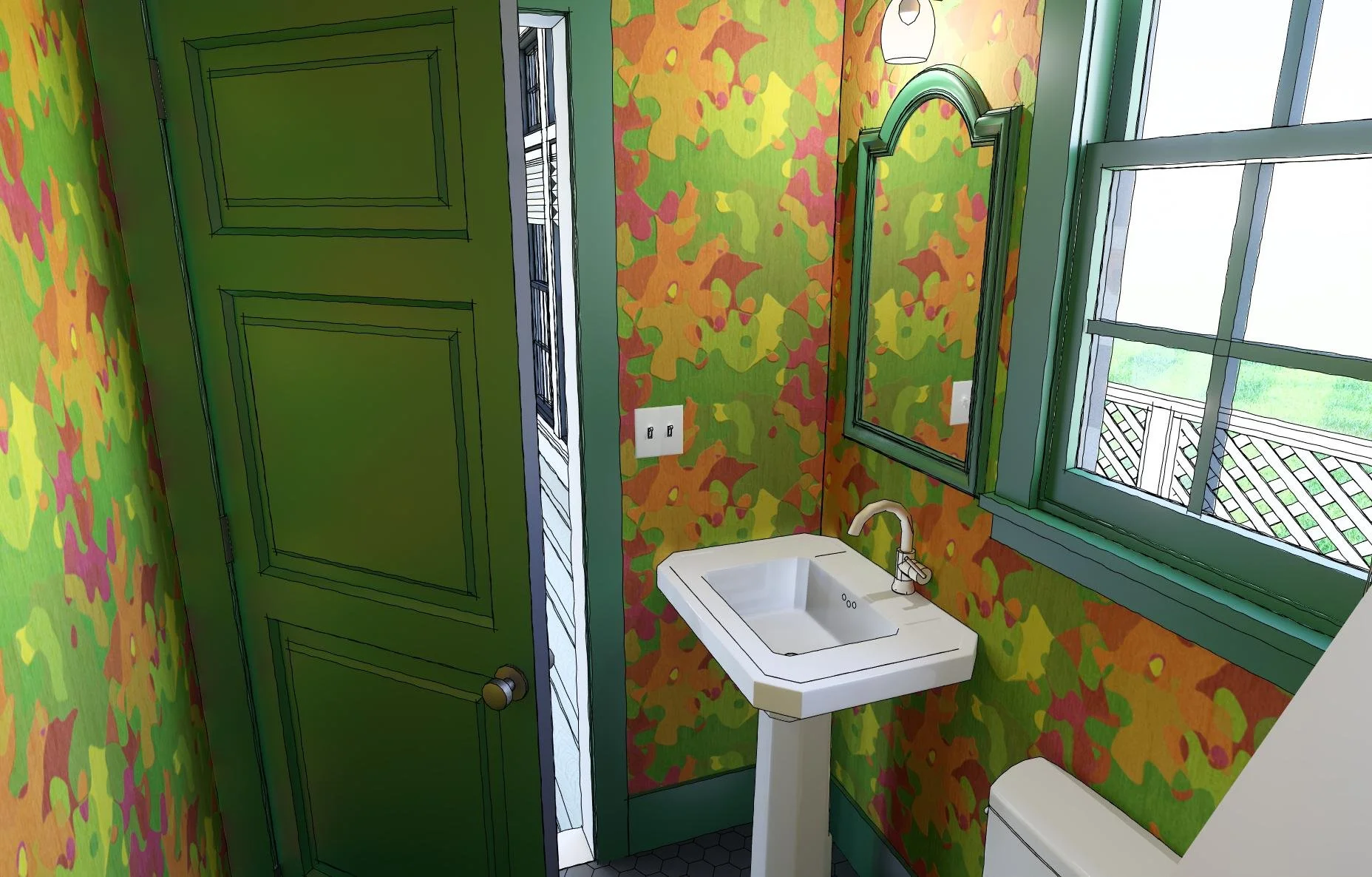
Spaces were explored around specific routines and preferences—including a deliberately dark, immersive room intended for hot yoga, a highly personalized primary suite, distinctive bath concepts, built-ins, and spaces developed around the homeowner’s individual aesthetic.
That level of personalization is part of what custom residential design can offer: the opportunity to create a home around the person actually living there, rather than around a generic idea of what every homeowner might want.
Using Visualization to Explore the Interior
Detailed three-dimensional studies were used throughout the design to explore interior relationships, daylight, cabinetry, ceiling treatments, fireplaces, built-ins, bathrooms, and finish concepts.
For a renovation with this many interconnected spaces, visualization provided a way to study how old and new elements would meet before those decisions reached the field.
The renderings shown here represent the design intent and visualization developed for the project and should not be read as documentation of final constructed conditions.
What the Project Demonstrates
Seneca Renewal demonstrates how an addition and renovation can introduce substantial change without stripping an existing home of its identity.
The project balances preserved character, new architecture, natural light, highly personal spaces, and modern ways of living within an established Tudor Revival home.
More than anything, it reflects a design process centered on understanding how one homeowner wanted to live and allowing those preferences to shape the architecture rather than forcing the project toward a generic solution.